

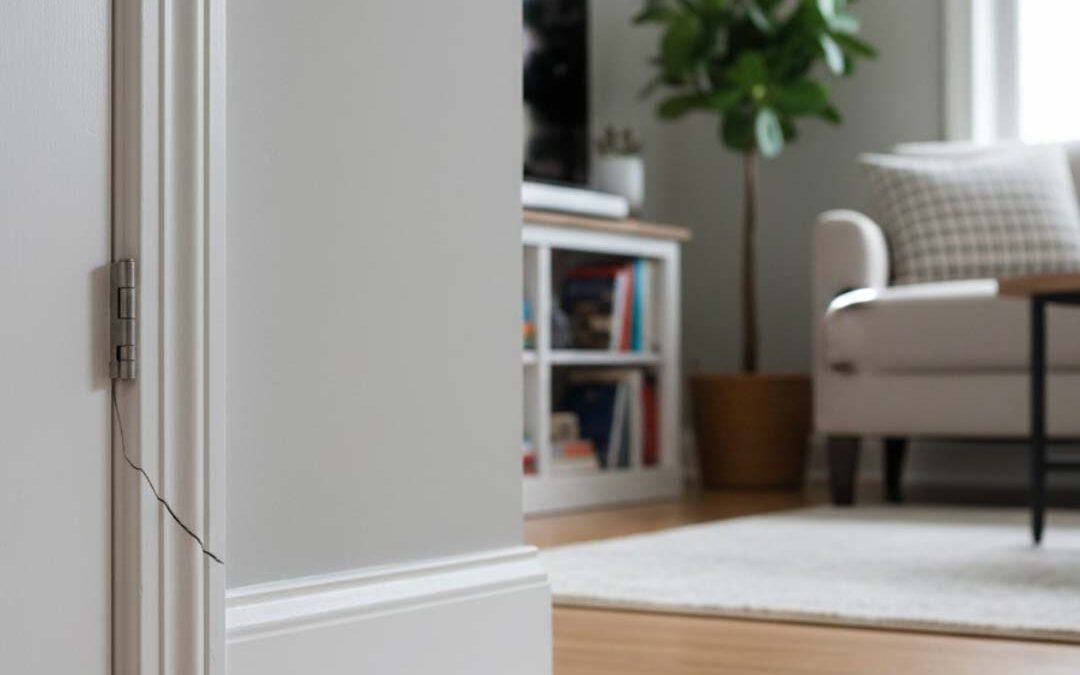
You’re sitting in your living room when you notice a slight rattle in the windows. Or perhaps you’ve spotted a new, jagged crack running up the drywall in the hallway. Your first instinct is to assume your homeowners insurance has you covered. After all, you pay your premiums every month to protect your biggest investment.
The reality? Most standard homeowners policies (HO-3 or HO-5) specifically exclude what the industry calls “earth movement.” Whether your home is settling into the soil or shaking from a tremor, you might be facing the repair costs alone.
The “Big Four” of Earth Movement
Understanding the differences between these issues is the first step in protecting your property. Here is a breakdown of what a basic policy typically excludes:
- Settling: This is the gradual downward movement of a structure as the soil beneath it compacts. While some minor settling is normal, significant shifts can cause structural failure.
- Shifting: Often caused by moisture changes in clay-rich soil, shifting moves your foundation laterally or unevenly.
- Sinking: Sudden drops in the ground, sometimes linked to sinkholes or eroding underground water tables.
- Earthquakes: Shaking caused by seismic activity. Even minor tremors can result in thousands of dollars in foundation damage.
The Gap in Your Coverage
A standard policy is designed to protect against “perils” like fire, wind, and theft. However, earth movement is viewed as a high-risk category that requires specialized underwriting.
If a pipe bursts and floods your kitchen, you’re likely covered. But if the ground shifts and cracks your foundation—leading to that same pipe bursting—the claim could be denied because the “proximate cause” was earth movement.
How to Secure Your Home
Since your base policy won’t foot the bill for seismic events or land subsidence, you have two primary paths to bridge the gap:
- Earthquake Endorsements: In many states, you can add a “rider” or endorsement to your existing homeowners insurance. This is often the most convenient way to add coverage for tremors and shaking.
- Standalone Earthquake Policies: In high-risk areas (like California or the New Madrid Fault zone), a separate policy might be necessary. These often have different deductible structures—usually a percentage of the home’s value (e.g., 10% or 15%) rather than a flat dollar amount.
Why Local Advice Matters
Insurance isn’t one-size-fits-all, especially when it relates to the ground beneath your feet. Soil types in the Midwest differ wildly from the coastal sands of the South or the rocky terrain of the West.
Working with an independent agent allows you to compare different carriers. We look at the specific risks of your ZIP code to find a policy that fits your budget while addressing the specific vulnerabilities of your land.